Core Value and Machining Advantages
- High‑Thermal‑Conductivity Base Material, Ultra‑Low Thermal Resistance
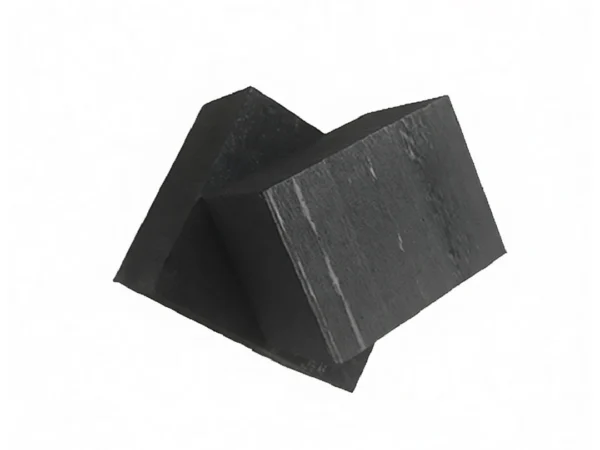
We use high‑conductivity graphite blocks (bulk thermal conductivity up to 400–700 W/(m·K), far exceeding aluminum alloys) directly machined into heat sinks. Heat transfer from the base to the fins occurs through the highly conductive graphite body, eliminating the multi‑interface thermal resistances found in traditional metal heat sinks (e.g., base‑heat‑pipe‑fin interfaces). This results in lower core thermal resistance and higher cooling efficiency. - Precision Monolithic Machining, Fully Integrated Structure
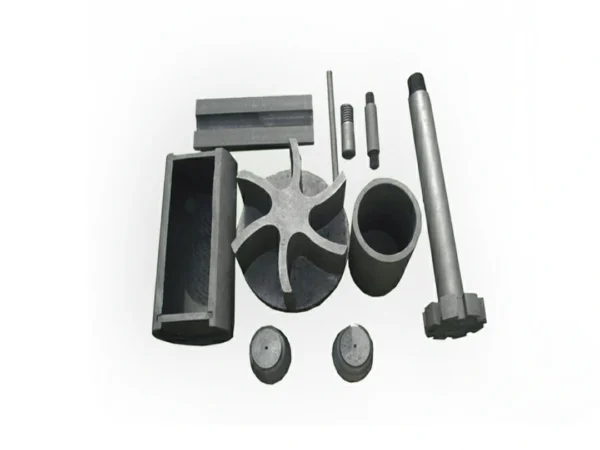
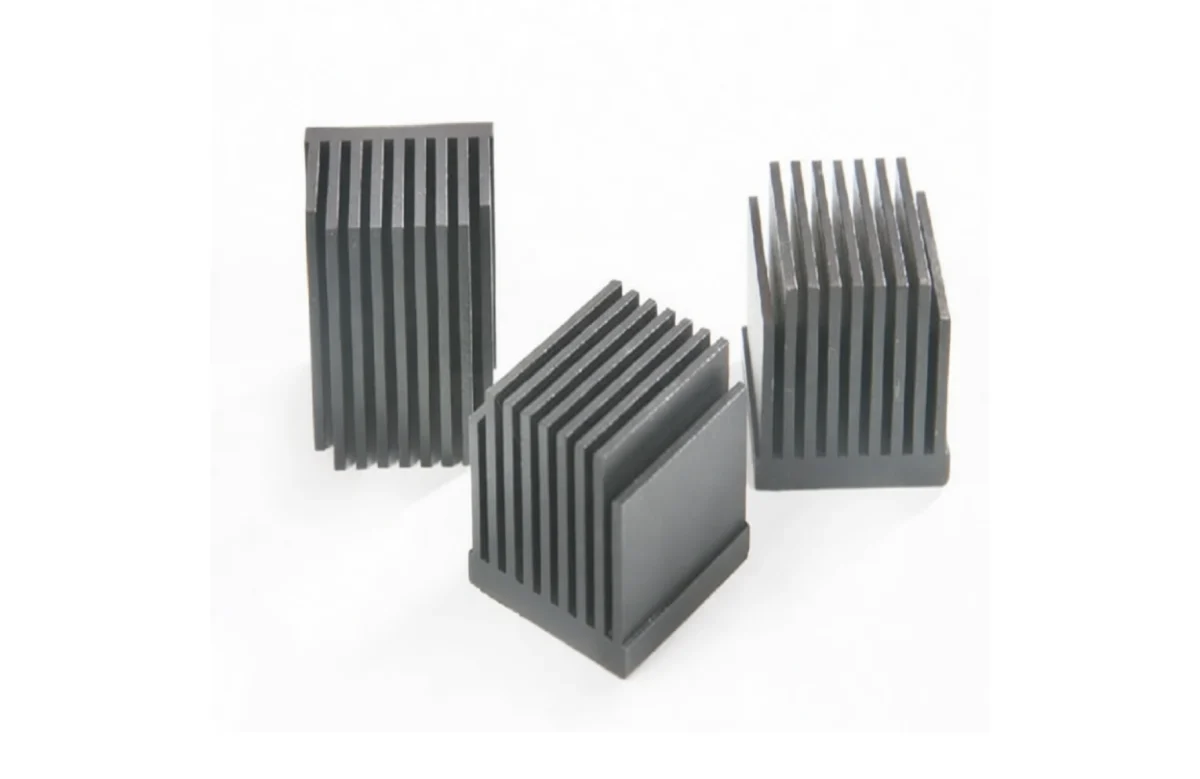
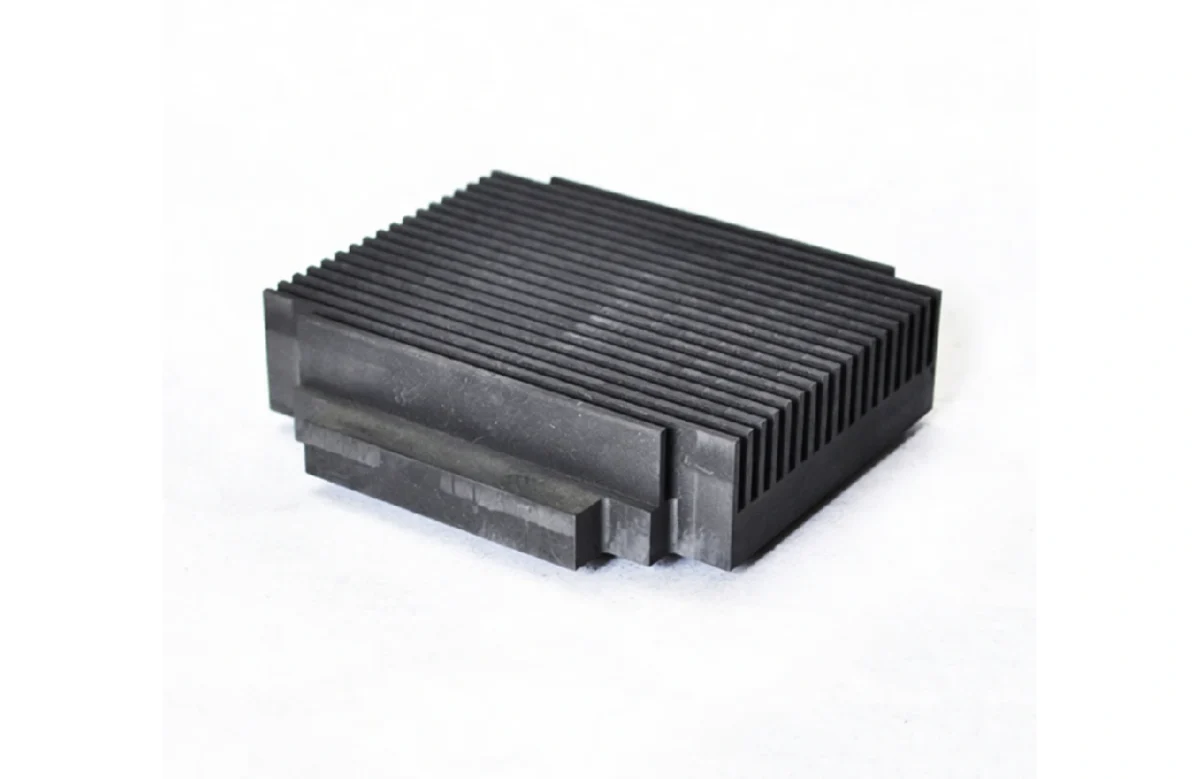
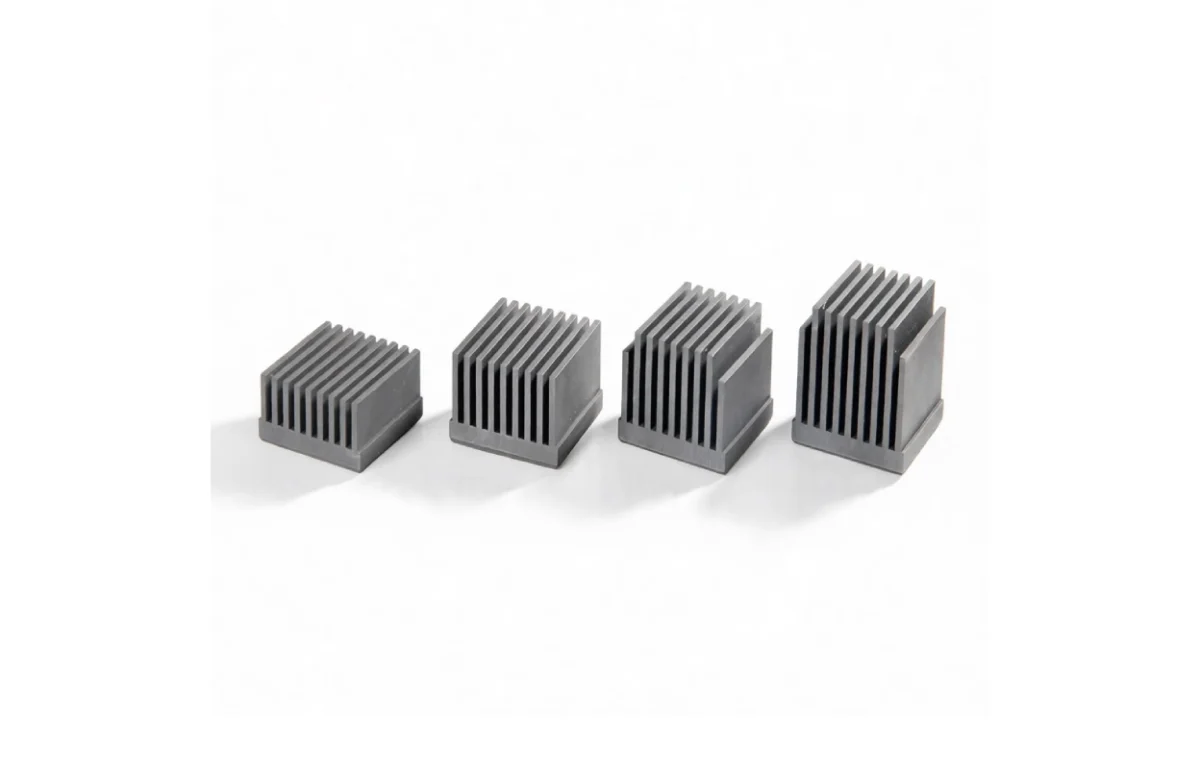
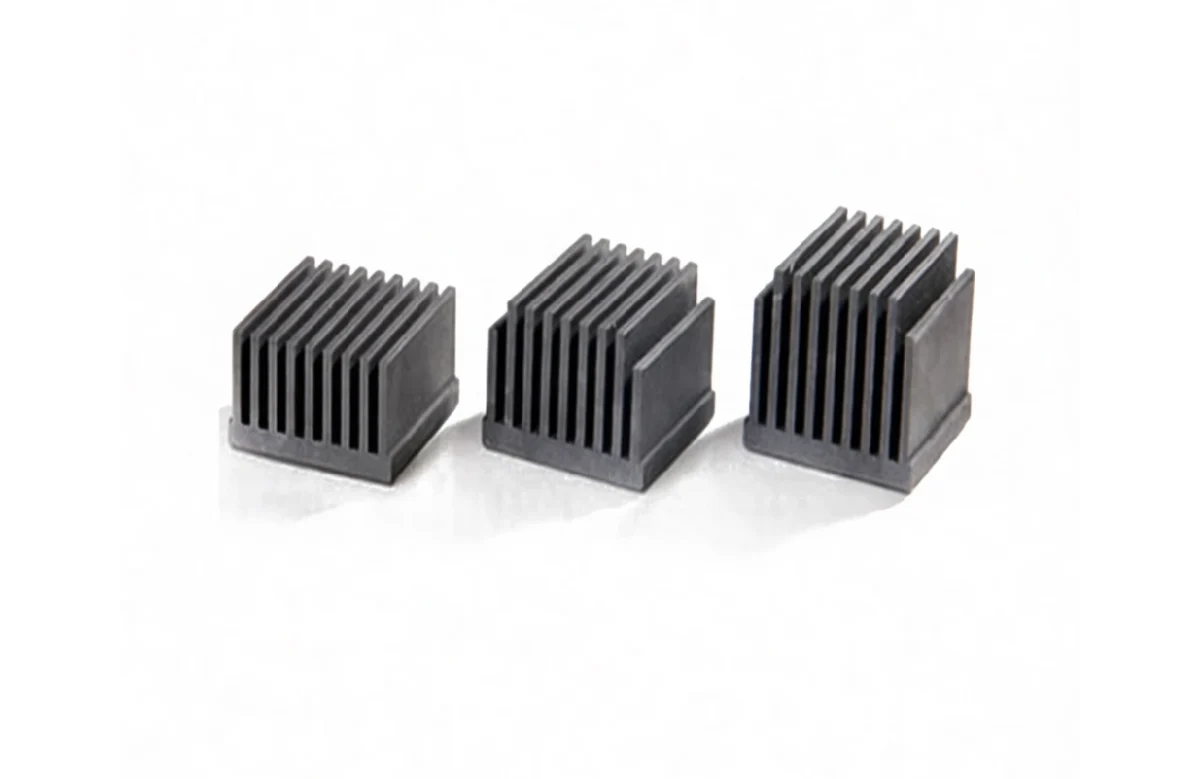
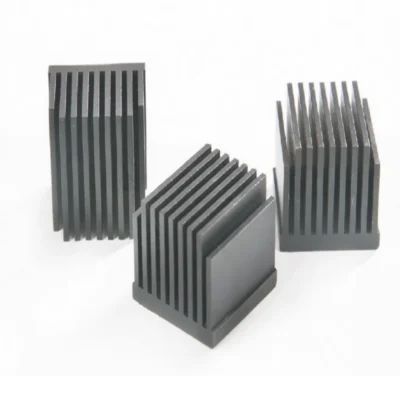
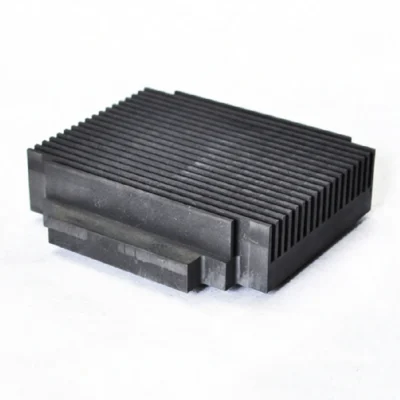
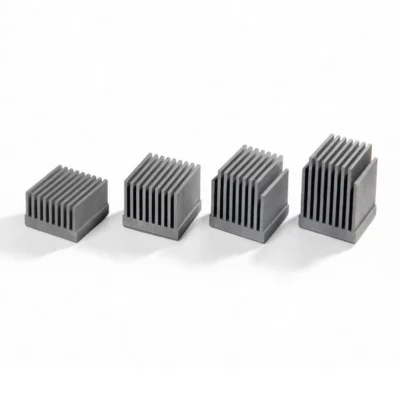
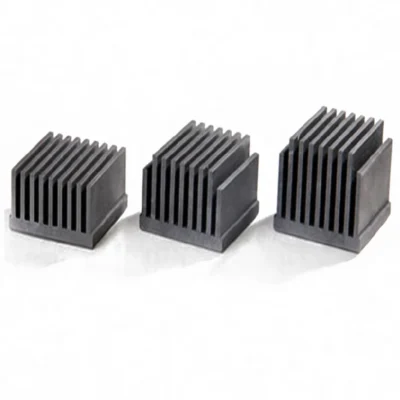
This embodies our core capability. Using multi‑axis CNC machines, we mill dense thin‑wall fin arrays, pin‑fin clusters, or complex 3D curved cooling structures directly from solid graphite blocks. The seamless, joint‑free construction eliminates interfacial thermal resistance, ensuring highly consistent mechanical and thermal performance with exceptional reliability. - Extreme Lightweighting and Space Optimization
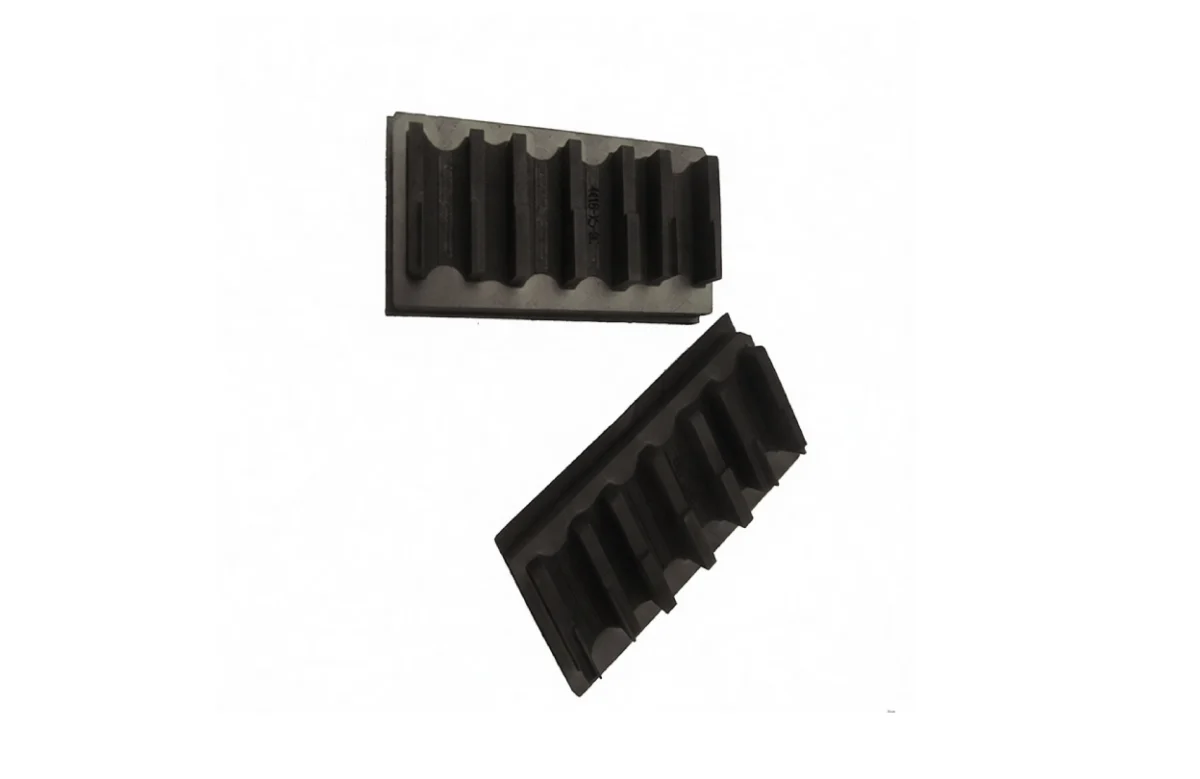
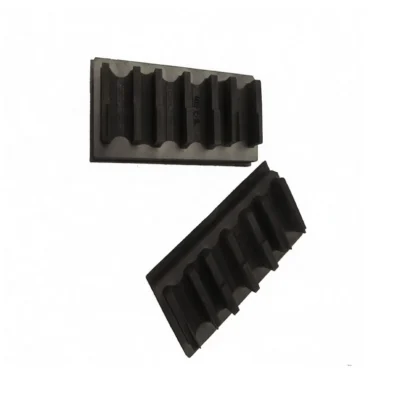
Graphite’s density is only about 1/4 that of aluminum and 1/5 that of copper. For equivalent cooling performance, graphite heat sinks are significantly lighter. Moreover, we can customize non‑standard shapes (e.g., L‑shaped, ring‑shaped, complex‑curved) to match internal device space and airflow paths, achieving perfect integration of cooling and layout. - Scientific Material and Process Matching
- High‑Thermal‑Conductivity Isostatic Graphite: Excellent isotropy, ideal for complex 3D machining—the preferred choice for high‑performance shaped heat sinks.
- Highly Oriented Pyrolytic Graphite: Exceptional directional thermal conductivity (>1500 W/(m·K)), suitable for specialized heat sinks designed for ultra‑high directional heat flux.
- Surface Treatments: Black anodizing‑like coatings or other surface finishes to enhance radiative cooling, electrical insulation, or environmental resistance.
Primary Application Scenarios
- High‑Power Electronic Equipment
Used for cooling 5G base‑station AAU/RRU power amplifiers, laser diodes (LDs), IGBT modules, and solid‑state radar systems, handling thermal dissipation from hundreds of watts to kilowatt levels. - Aerospace and Defense Electronics
Providing lightweight, high‑reliability cooling solutions for airborne radar, electronic‑warfare systems, and satellite payloads, meeting stringent power‑to‑weight and environmental requirements. - High‑End Test and Medical Equipment
Applied in semiconductor tester probe‑cards, power units of precision medical imaging systems (e.g., DSA), where low thermal deformation and high stability are critical. - Specialized Industrial and High‑Performance Computing
Used in extreme‑cooling scenarios such as supercomputing accelerator cards, mining‑rig hash‑boards, and specialized power modules.
Typical Product Specifications and Services
- Base Materials: High‑thermal‑conductivity isostatic graphite blocks (isotropic), directional‑conductivity graphite blocks.
- Typical Structures: Dense fin arrays (fin thickness ≥0.5 mm), pin‑fin clusters, wave‑shaped/slanted fins, monolithic structures with embedded heat‑pipe or liquid‑cooling channels.
- Machining Precision: Controlled fin‑height and pitch tolerances; extremely high base flatness (≤0.03 mm) ensures optimal contact with heat sources.
- Design and Simulation: CFD‑based thermal simulation and structural optimization to predict performance and optimize airflow resistance during the design phase.
- Full‑Process Services: End‑to‑end engineering solutions—from thermal‑requirement analysis, conceptual design, simulation optimization, and precision machining to performance testing.
Why Choose Us?
We understand that when traditional metal heat sinks hit performance, weight, or space limitations, a fundamental material innovation is needed. We are not just manufacturers—we are your engineering partners for breaking through thermal limits. With our core capability of “high‑thermal‑conductivity material application + complex monolithic machining,” we deliver not a replacement part, but a next‑generation cooling system solution that redefines thermal performance and integration density. Share your thermal power, space constraints, and airflow conditions, and we will present you with a disruptive cooling design.