Introduction
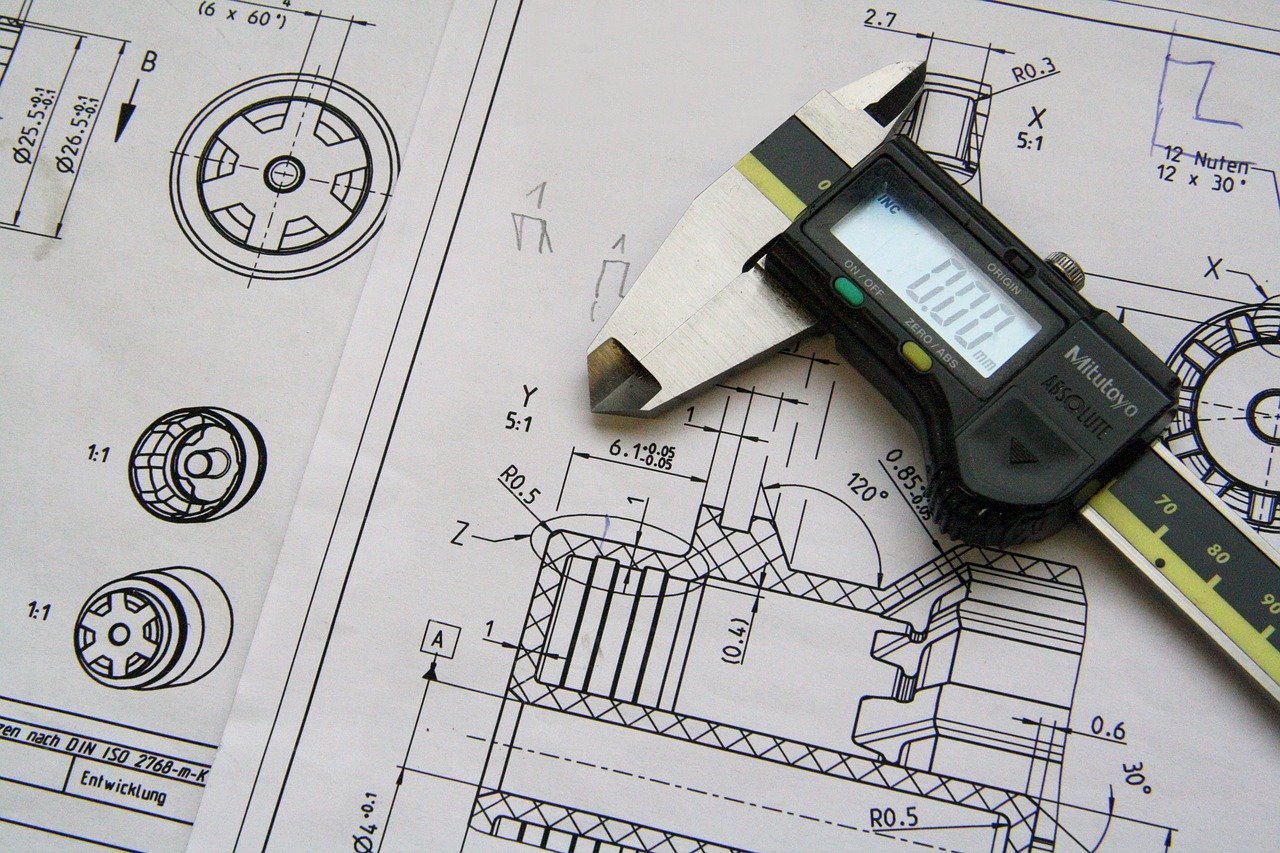
Accurate engineering drawings are essential for precision graphite machining. Clear communication between clients and machining suppliers ensures that graphite parts meet dimensional, material, and functional requirements.
This guide explains how to prepare drawings, what details to include, and best practices for communicating with graphite machining providers.
1. Essential Drawing Elements
When preparing a drawing for graphite machining, include:
- Material specification: Isostatic or extruded graphite, density, grade
- Dimensions and tolerances: Critical dimensions, acceptable deviations
- Surface finish requirements: Roughness, polishing, or EDM preparation
- Geometrical features: Holes, slots, chamfers, thin walls
- Quantity and batch requirements: Single prototype vs. mass production
Including these details reduces ambiguity and prevents errors during machining.
2. Highlight Critical Areas
Identify areas of the part that are sensitive to dimensional changes or require special attention:
- Thin walls prone to chipping
- Complex 3D features or sharp corners
- Interfaces with other components
Marking critical areas clearly on the drawing helps suppliers adjust tool paths, fixturing, and machining strategy.
3. Communication Tips
Effective communication is key to successful graphite machining projects:
- Provide CAD files if available
- Specify intended application and operating conditions
- Ask about recommended graphite grade based on performance and tolerances
- Confirm lead times for prototypes and production batches
- Use visual references for complex shapes or assemblies
4. Review and Approval Process
- Conduct a design review with your machining supplier
- Request sample or prototype verification before mass production
- Update drawings based on feedback from machining engineers
This process ensures your graphite parts meet functional and assembly requirements.
Conclusion
Properly prepared drawings and effective communication with graphite machining suppliers reduce errors, save time, and improve product quality.
By following these guidelines, engineers and procurement teams can ensure smooth project execution and high-quality graphite components.
At our precision graphite machining facility, we assist clients with drawing review, material selection, and manufacturing guidance, ensuring each part meets engineering expectations and industrial standards.