Introduction
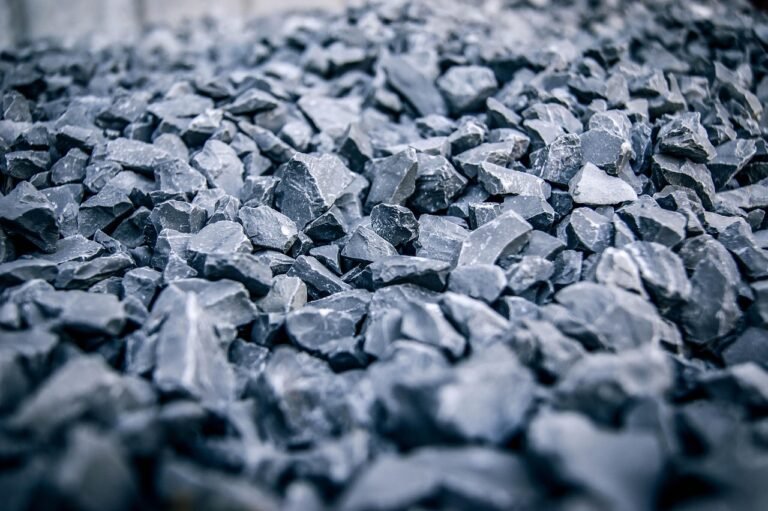
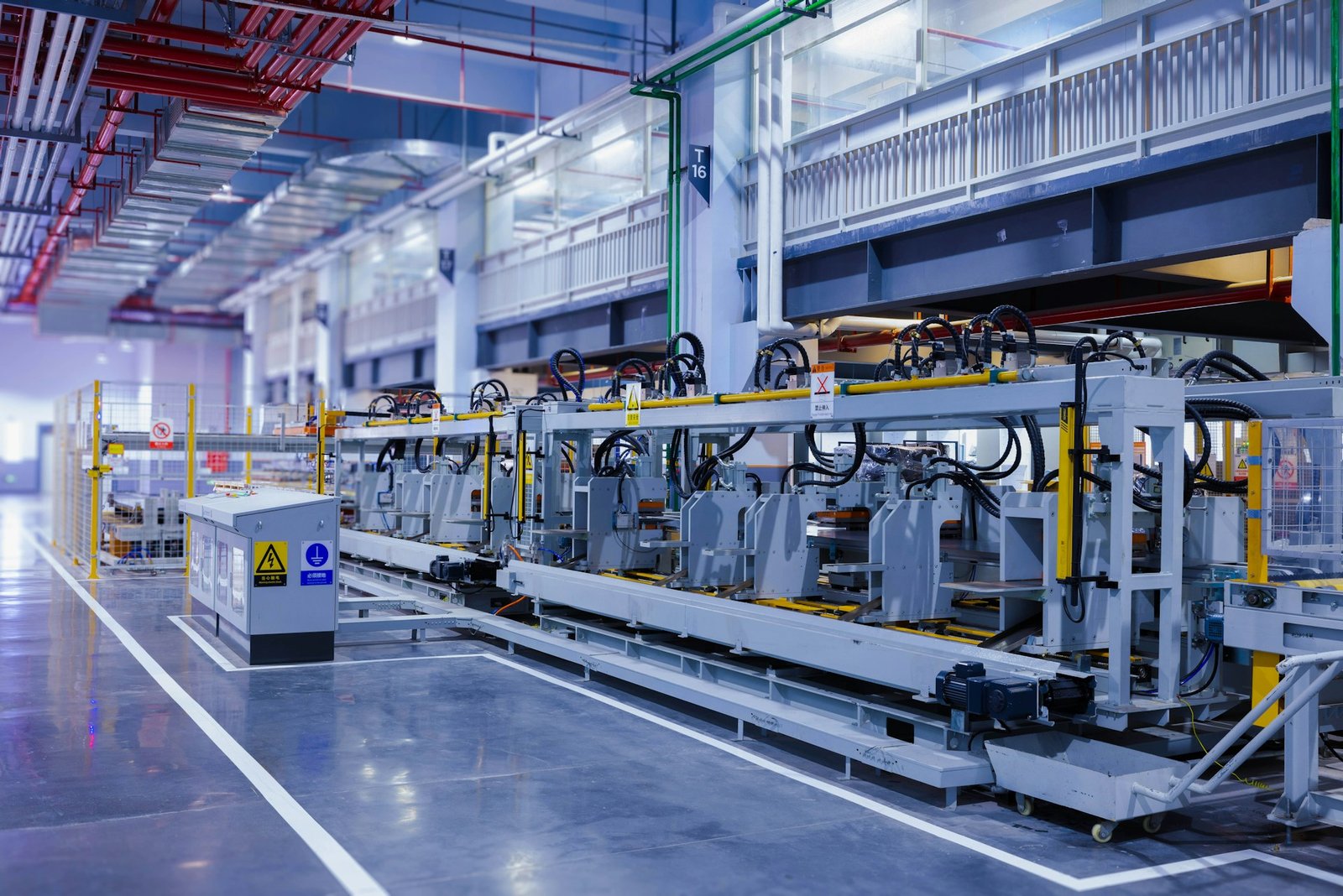
Graphite is widely used in semiconductor equipment, EDM electrodes, photovoltaic manufacturing, and high-temperature industrial applications.
However, not all graphite materials perform the same. Among various graphite grades, isostatic graphite and extruded graphite are the two most commonly used types in industrial machining.
Understanding the differences between these two materials is essential for selecting the right graphite for precision machining and long-term performance.
What Is Isostatic Graphite?
Isostatic graphite is produced by isostatic pressing, where graphite powder is compressed uniformly from all directions.
This manufacturing method results in a homogeneous internal structure, providing consistent mechanical and thermal properties in every direction.
Key characteristics of isostatic graphite include:
- High density and uniform grain size
- Excellent isotropic mechanical strength
- Stable performance during precision machining
- Superior surface finish capability
Because of these properties, isostatic graphite is commonly used in semiconductor components, high-precision fixtures, and complex CNC-machined parts.
What Is Extruded Graphite?
Extruded graphite is manufactured by forcing graphite material through a die, creating a directional grain structure.
This process makes extruded graphite more economical and suitable for applications where ultra-high precision is not required.
Key characteristics of extruded graphite include:
- Lower material cost
- Directional strength properties
- Larger grain size compared to isostatic graphite
- Suitable for simple geometries
Extruded graphite is widely used in EDM electrodes, furnace components, and general industrial graphite parts.
Key Differences Between Isostatic and Extruded Graphite
| Aspect | Isostatic Graphite | Extruded Graphite |
|---|---|---|
| Grain structure | Isotropic (uniform in all directions) | Directional |
| Machining accuracy | Very high | Moderate |
| Surface finish | Excellent | Acceptable |
| Cost | Higher | Lower |
| Typical applications | Semiconductor, precision fixtures | EDM, furnace parts |
How Material Selection Affects Machining Performance
From a machining perspective, material selection directly impacts:
- Dimensional accuracy
- Edge chipping risk
- Surface roughness
- Tool wear and machining stability
Isostatic graphite is preferred for tight tolerances and complex geometries, while extruded graphite offers a cost-effective solution for less demanding applications.
Choosing the wrong graphite grade may lead to increased machining difficulty, inconsistent dimensions, or reduced part lifespan.
Common Questions from Customers
Q: Can extruded graphite be used for precision CNC machining?
A: It can be machined, but it is not ideal for tight tolerances due to its directional structure.
Q: Is isostatic graphite always the best choice?
A: Not necessarily. Material selection should balance performance requirements, part complexity, and cost.
Conclusion
Both isostatic graphite and extruded graphite play important roles in industrial applications.
Understanding their structural differences and machining behavior helps ensure reliable performance and cost efficiency.
As a precision graphite machining manufacturer, we assist customers in selecting suitable graphite materials based on application requirements, machining tolerance, and production volume.
👉 If you need support in graphite material selection or custom machining, feel free to contact us.