Introduction
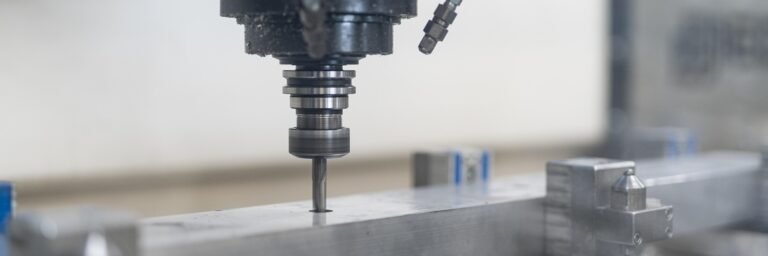
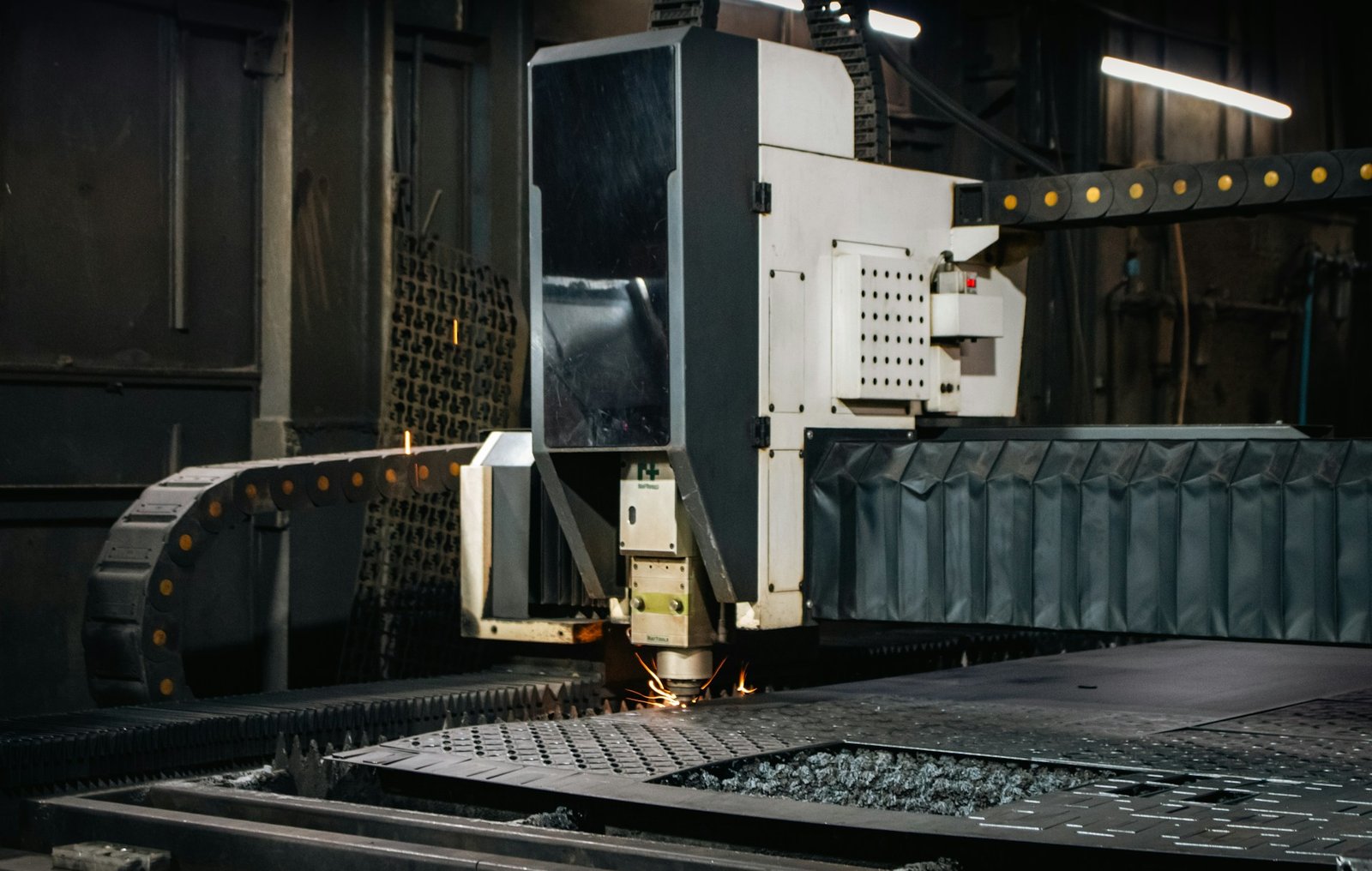
Precision graphite machining is widely used in semiconductor equipment, EDM electrodes, photovoltaic systems, and high-temperature industrial applications.
Although graphite is easy to machine compared to metals, it presents unique challenges due to its brittle nature, anisotropic structure, and dust generation.
Understanding these challenges and applying the right strategies is essential to achieving high-quality, dimensionally accurate, and durable graphite parts.
Challenge 1: Brittleness and Edge Chipping
Graphite is brittle and prone to edge chipping, especially when machining thin-walled components or sharp corners.
Solution:
- Use sharp, high-quality tools specifically designed for graphite
- Reduce feed rate and optimize cutting parameters
- Apply support fixtures for thin or complex parts to prevent vibrations
Challenge 2: Anisotropic Material Properties
Graphite can have directional grain structure, especially extruded graphite, which affects machining behavior and dimensional stability.
Solution:
- Understand the grain orientation before machining
- Adjust cutting direction to minimize edge breakage
- For high-precision parts, prefer isotropic (isostatic) graphite
Challenge 3: Dust and Contamination
Graphite machining produces fine dust, which can affect equipment and part quality if not properly managed.
Solution:
- Use dust collection and vacuum systems
- Maintain clean tooling and workspace
- Apply dry or minimal-lubrication machining strategies to reduce contamination
Challenge 4: Achieving Tight Tolerances
Meeting tight tolerances is difficult because graphite can deform under tool pressure or during post-machining handling.
Solution:
- Implement CNC precision machining with optimized cutting paths
- Use in-process inspection to monitor dimensions
- Apply post-machining stress relief if necessary for high-precision applications
Challenge 5: Surface Finish and Tool Wear
Graphite can cause rapid tool wear, and surface finish may degrade if cutting parameters are not optimized.
Solution:
- Select diamond-coated or carbide tools
- Optimize feed and speed based on material grade and geometry
- Perform fine finishing passes for critical surfaces
Conclusion
Precision graphite machining requires a systematic approach to overcome challenges such as brittleness, anisotropy, dust, tight tolerances, and surface finish.
By understanding these issues and applying proven strategies, manufacturers can produce high-quality graphite components suitable for semiconductor, EDM, photovoltaic, and other industrial applications.
As a precision graphite machining provider, we assist clients in selecting the right graphite type, defining tolerances, and ensuring parts meet both engineering and production standards.